
Car maintenance is an important skill for every dad to know, especially when you’re managing a busy family life. Keeping your car running smoothly not only saves you money but also ensures the safety of your loved ones on the road. In this post, we’ll cover essential car maintenance tasks that every dad should be familiar with. Whether you’re a DIY enthusiast or just want to learn how to keep your vehicle in top shape, these tips are for you.
1. Regularly Check the Oil
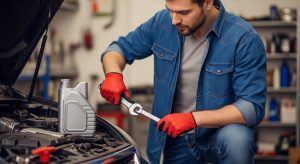 One of the most important tasks for keeping your car running smoothly is regular oil changes. Over time, engine oil breaks down, which can cause your engine to overheat and suffer damage. Make sure to check the oil levels every few weeks, and change it as recommended by your car’s manufacturer. Remember, clean oil is crucial for the proper functioning of your car’s engine.
Oil keeps your engine parts lubricated and running efficiently. It reduces friction between moving parts, preventing them from wearing out prematurely. When the oil becomes dirty or low, it loses its effectiveness and could lead to costly repairs down the line.
Tip: If you’re not comfortable doing this yourself, take it to a professional. However, if you’re a DIY dad, it’s a fairly easy task that requires minimal tools. Changing your car’s oil can be done in less than an hour, and you’ll save the cost of a mechanic.
How to Check Your Car’s Oil:
- Park your car on a flat surface to ensure accurate oil level readings.
- Wait for the engine to cool before opening the hood. A hot engine can be dangerous.
- Remove the dipstick, wipe it clean, dip it back in, and then pull it out to check the oil level.
- If the oil level is low, add the appropriate oil for your car model. Refer to your car’s manual for the correct oil type.
- Ensure the oil has a clear golden or amber color. If it’s dark or gritty, it’s time for an oil change.
Regular oil checks will help you avoid serious engine problems. For more detailed information, check out this guide on How to Change Your Car’s Oil – Cars Guide.
2. Maintain Tire Pressure
Proper tire maintenance is essential for both safety and fuel efficiency. Incorrect tire pressure can lead to tire blowouts and reduce fuel economy, putting extra strain on your car. Every dad should know how to check and maintain tire pressure. Having the right tire pressure can enhance your car’s handling, increase its fuel efficiency, and reduce tire wear.
Tip: Invest in a good quality tire pressure gauge and check your tire pressure monthly, or before long road trips. If you’ve recently had your tires replaced, it’s essential to keep the pressure in check.
How to Check Tire Pressure:
- Use a tire pressure gauge to measure the air in your tires. These can be found at most auto parts stores.
- Compare the reading to the recommended tire pressure (usually listed on the door frame or in your car’s manual).
- If your tire pressure is too low, visit a gas station to inflate it, or use a portable air compressor to do it yourself.
- If your tire pressure is too high, deflate it slightly until it matches the recommended pressure.
Keeping your tires properly inflated can extend their life and improve fuel efficiency. You can find more information on tire care at Tire Buyer’s Tire Maintenance Tips.
3. Change the Air Filter
The air filter in your car is responsible for keeping dirt and debris out of the engine. Over time, the air filter becomes clogged, reducing the efficiency of your engine. Changing the air filter is an easy DIY task that can improve your car’s performance and fuel economy. A clean air filter helps your engine breathe properly, which in turn improves overall engine efficiency.
Tip: Check your car’s manual to find out how often the air filter should be changed, but it’s generally every 12,000 to 15,000 miles. If you drive in dusty or polluted environments, you may need to replace the air filter more often.
How to Change Your Air Filter:
- Locate the air filter box under the hood. This is usually a rectangular box with clips holding it shut.
- Open the box, remove the old air filter, and replace it with a new one.
- Ensure the new filter is seated properly in the box before closing it up.
Changing the air filter is a quick and easy way to keep your car running smoothly. For further guidance, refer to this article on Autobahn Automotive – Car Service Tips.
4. Replace Worn Brake Pads
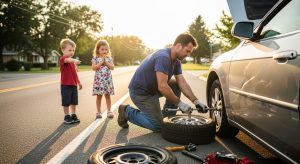 Worn-out brake pads are one of the most common causes of accidents, so it’s essential to check and replace them regularly. Brake pads press against the brake rotor to create friction that slows down the wheels. Over time, they wear down and lose their effectiveness, which can be dangerous when you need to stop quickly.
Signs that your brake pads need replacing include squeaking, grinding, or a decrease in braking efficiency. If you hear squealing or grinding noises when you apply the brakes, it may be time to replace the pads. It’s important to never ignore these signs as they can lead to further damage to your braking system.
Tip: If you’re not comfortable replacing brake pads yourself, consult a professional mechanic. Brake pads should be replaced when they are worn down to a certain thickness, as recommended in your car’s manual.
5. Inspect Your Car’s Battery
Your car’s battery is essential for starting the engine and powering electrical components. Regularly check the battery for corrosion and ensure the terminals are clean and tight. If your car struggles to start or if the battery is more than three years old, it might be time for a replacement.
Even if your car is starting fine, it’s a good idea to keep the battery terminals clean to ensure it continues to work well. Corrosion can build up on the battery terminals, causing the battery to work less efficiently and eventually fail.
Tip: Clean the battery terminals with a mixture of baking soda and water to remove corrosion. Be sure to wear gloves when cleaning the terminals and make sure to disconnect the negative terminal first.
6. Replace Your Windshield Wipers
Windshield wipers are often overlooked but are essential for visibility during rainy or snowy conditions. Worn-out wipers can leave streaks on your windshield, making it harder to see the road ahead. Replacing your windshield wipers regularly is a simple task that can significantly improve safety in poor weather conditions.
Tip: Windshield wipers should generally be replaced every six months to a year. If you notice streaks or hear squeaking when you use them, it’s time for a new set.
How to Replace Your Windshield Wipers:
- Lift the wiper arm away from the windshield.
- Remove the old wiper blade by sliding it off the wiper arm.
- Attach the new wiper blade by sliding it onto the arm, ensuring it clicks into place.
7. Check Your Car’s Belts and Hoses
Belts and hoses are critical for the functioning of your car’s engine, air conditioning, and cooling system. A broken or worn belt can lead to engine failure, while a burst hose can cause a coolant leak. It’s essential to inspect these components regularly for signs of wear, cracks, or leaks.
Tip: Look for signs of fraying, cracking, or leaks on the belts and hoses. If you notice any issues, replace them before they cause further damage to your car.
Conclusion
Maintaining your car doesn’t have to be difficult. By following these basic maintenance tasks, you can ensure that your car runs smoothly and stays in great shape for years to come. Whether you’re taking on DIY projects or seeking help from a professional, these tips will keep you prepared for anything the road throws your way. Regular car maintenance will not only save you money but will also provide peace of mind knowing your family is safe on the road.