
Your garage door is one of the largest moving systems in your home, and it may be used several times every day. Over time, tracks collect dirt, rollers wear down, weather seals deteriorate, and moving components can require attention. Regular garage door maintenance can help you identify developing problems before they become more disruptive.
You do not need to take apart the entire garage door system to perform useful routine checks. Many maintenance tasks involve visual inspections, cleaning, testing, and keeping the surrounding area clear. More complicated repairs involving springs, cables, or other high-tension components are better left to qualified professionals.
For Garage Dad readers who enjoy taking care of their homes and vehicles, a garage door inspection is another useful item to add to the regular household maintenance routine. You can also visit our Car Tips page for additional vehicle and garage-related advice.
Why Garage Door Maintenance Matters
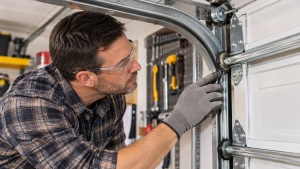 A garage door is made up of several components that work together. The door panels move along tracks while rollers guide the movement. Springs provide counterbalance, cables transfer force, and the opener controls the powered movement on many modern systems.
Because these components work together, a problem in one area can affect the entire system. A dirty track can interfere with roller movement. A damaged weather seal can allow water and outdoor air into the garage. A malfunctioning safety sensor can prevent the automatic opener from operating correctly.
Routine maintenance gives you an opportunity to notice changes in how the door sounds, moves, and responds. A door that suddenly becomes noisy, slow, uneven, or difficult to operate may need attention.
Signs Your Garage Door Needs Attention
- Unusual grinding, scraping, or squeaking sounds
- Uneven movement while opening or closing
- Visible damage to tracks or rollers
- Loose or deteriorated weather seals
- Door reversal problems
- Difficulty opening the door manually
- Unusual vibration from the opener
Start With a Visual Inspection
Before touching any components, stand inside and outside the garage and look over the entire system. Examine the door panels, hinges, tracks, rollers, cables, springs, brackets, and opener.
Look for obvious damage, loose hardware, rust, bent components, frayed cables, or parts that appear out of alignment. You do not need to diagnose every problem yourself. The purpose of the inspection is to identify changes that may require further attention.
Keep the garage door area well lit so you can see small problems. If your garage lighting is poor, improving it can make routine inspections easier. Our previous article about setting up a home garage workshop includes additional ideas for improving your workspace.
Inspect the Garage Door Tracks
The tracks guide the rollers as the door opens and closes. They should remain securely mounted and free of significant dents, debris, or obstructions.
Look along the entire length of each track. Check whether anything is blocking the path of the rollers. Leaves, dirt, dust, and other debris can accumulate around the lower portions of the tracks.
Do not attempt to bend or reshape a damaged track yourself. A track that is significantly bent or misaligned can affect the movement of the door and may require professional repair.
Track Inspection Checklist
- Look for visible bends or damage.
- Remove loose dirt and debris from the surrounding area.
- Check that mounting hardware appears secure.
- Watch the rollers as the door moves.
- Contact a professional if the track is seriously damaged or misaligned.
Check the Rollers and Hinges
Rollers allow the door to move along its tracks, while hinges connect individual door sections. Both can experience wear over time.
Watch and listen as the door moves. Rollers that wobble, stick, or make unusual noises may need attention. Examine hinges for visible damage or loose hardware.
Some garage door systems use rollers that can be lubricated, while others use sealed or maintenance-free designs. Follow the manufacturer’s instructions instead of applying lubricant to every component automatically.
Use only products recommended for the specific garage door hardware. Excess lubricant can attract dust and debris, creating another maintenance problem.
Inspect the Springs Carefully
Garage door springs help counterbalance the weight of the door. They are under significant tension, which makes them one of the components that homeowners should not attempt to repair or replace casually.
You can visually inspect the springs from a safe position for obvious signs of damage, separation, or unusual appearance. Do not touch, loosen, adjust, cut, or remove a spring yourself.
If a spring is broken or you suspect a problem with the spring system, contact a qualified garage door professional. The U.S. Consumer Product Safety Commission provides consumer safety information covering household products and equipment, while garage door manufacturers also provide model-specific maintenance instructions. You can review general consumer safety resources at the U.S. Consumer Product Safety Commission.
Look at the Cables Without Touching Them
Garage door cables work with the spring and lifting system. Because they can also be under substantial tension, they should not be handled casually.
From a safe distance, look for obvious fraying, broken strands, unusual slack, or a cable that appears to have moved out of its normal position.
If you see damage, do not attempt to reconnect or replace the cable yourself. Stop using the door if appropriate and arrange for professional inspection.
Important Cable Rule
Visual inspection is reasonable. Cable adjustment or replacement is a different matter. Never treat a high-tension garage door cable as an ordinary household wire.
Test the Garage Door Safety Sensors
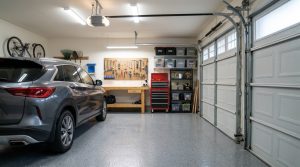 Automatic garage doors commonly use photoelectric safety sensors positioned near the floor on both sides of the door opening. These sensors are designed to detect an obstruction in the door’s path.
Keep the sensor lenses clean and make sure nothing is blocking them. Check that both sensor units remain securely positioned and that their indicator lights behave according to the manufacturer’s instructions.
You can perform the manufacturer’s recommended reversal test to verify that the door responds correctly when an obstruction is detected. Follow the instructions for your specific opener because testing procedures can vary.
Keep the Sensor Area Clear
- Remove boxes and tools from around the sensors.
- Clean dusty sensor lenses carefully.
- Do not cover or relocate the sensors.
- Check the manufacturer’s instructions before adjusting sensor alignment.
Test the Door’s Reversal Function
The automatic opener should respond appropriately when its safety system detects an obstruction. A malfunctioning reversal system can create a serious safety concern.
Follow the manufacturer’s recommended testing procedure rather than improvising a test. If the door does not behave as described in the owner’s manual, stop using the automatic opener until the issue has been evaluated.
Do not disable, bypass, or permanently alter safety features to make a garage door operate when it is malfunctioning.
Inspect the Weather Seal
The weather seal around the bottom of the garage door helps reduce drafts, water intrusion, dirt, and outdoor debris. Over time, the seal can become cracked, compressed, torn, or brittle.
Inspect the entire bottom edge of the door and the seals around the sides and top. Look for gaps that become visible when the door is closed.
A damaged seal can also affect the comfort of your garage. This is particularly relevant if you have invested in insulation or other temperature-control improvements.
Our guide on insulating your garage for year-round comfort explains why the garage door and air sealing are important parts of the overall space.
Clean the Garage Door Exterior
Garage doors are exposed to weather, dust, pollen, insects, and other outdoor contaminants. Cleaning the exterior periodically can improve its appearance while giving you an opportunity to inspect the panels.
Use a cleaning method appropriate for the door material. Avoid harsh chemicals that could damage the finish. Check the manufacturer’s recommendations before using cleaning products.
While cleaning, look for dents, cracks, peeling finishes, corrosion, or other changes. Small cosmetic issues may not affect operation, but significant damage can warrant professional evaluation.
Inspect the Garage Door Opener
The automatic opener is another important part of the system. Check the opener housing, mounting points, rail, controls, and power connection for obvious problems.
Listen for changes in the opener’s normal operating sound. Excessive vibration, grinding, or unusual movement can indicate a problem.
Keep the opener’s remote controls and wall controls in good condition. If your system includes smart features, periodically check that the connected functions operate as expected.
If you have already upgraded your garage with smart technology, remember that the smart opener is still a mechanical garage door system. Technology can add convenience, but it does not eliminate the need for physical inspection and maintenance.
Keep the Door Area Clear
Garage door maintenance also includes the area around the door. Bicycles, storage boxes, tools, ladders, and other equipment should not interfere with the door’s movement.
Maintain a clear path around the door and make sure nothing can fall into the tracks. This is especially important in a garage that doubles as a workshop or storage area.
If your garage has become crowded, our article on smart garage storage ideas can help you make better use of vertical space.
Do Not Ignore Strange Noises
A garage door does not have to be completely silent, but a sudden change in sound deserves attention. Grinding, popping, scraping, rattling, or repeated clicking can indicate that something has changed.
Pay attention to when the sound occurs. Does it happen while the door starts moving? Does it happen when the rollers travel through a particular part of the track? Does the opener vibrate unusually?
These observations can help a professional understand the problem, but avoid attempting repairs based solely on a sound.
Know Which Repairs to Leave to Professionals
Routine inspection and cleaning are reasonable maintenance tasks for many homeowners. High-tension components and major mechanical repairs are different.
Spring replacement, cable repair, major track adjustments, and structural repairs can involve significant forces. If you are not trained and equipped for the work, hiring a qualified garage door professional is the safer option.
Current home-service research also shows that homeowners are increasingly combining DIY work with professional assistance as projects become more technically demanding. HIRI reported that 46% of Q1 2026 home improvement projects involved both DIY and contractor assistance, compared with 39% that were DIY only. Read HIRI’s 2026 homeowner project research.
Create a Simple Garage Door Maintenance Schedule
You do not need to inspect every component every day. A simple schedule can help you notice changes before they become major problems.
Monthly Checks
- Look over the door panels.
- Check tracks for visible debris or damage.
- Inspect rollers and hinges visually.
- Keep safety sensors clean and unobstructed.
- Check the bottom weather seal.
- Listen for unusual sounds during operation.
Seasonal Checks
- Inspect weatherstripping for deterioration.
- Clean the garage door exterior.
- Review the opener and remote controls.
- Check for water or air entering around the door.
- Review the manufacturer’s maintenance recommendations.
Make Garage Door Maintenance Part of Your Garage Routine
A garage door is easier to maintain when it becomes part of your regular home-care routine. Combine a quick door inspection with other seasonal garage tasks such as cleaning the floor, checking storage, inspecting tools, and reviewing safety equipment.
If you have recently improved your garage with new flooring, insulation, or a workshop setup, take a few minutes to make sure the garage door still operates comfortably within the updated space.
A clean and organized garage also makes problems easier to notice. When tools and boxes are not blocking the walls and door area, you can see tracks, seals, cables, and other components more easily.
Conclusion
Garage door maintenance does not have to be complicated. Regular visual inspections, cleaning, safety testing, and attention to unusual sounds can help you identify problems before they become bigger concerns.
Focus on the components you can safely inspect, including the door panels, tracks, rollers, hinges, seals, sensors, and opener. Keep the area around the door clear and follow the manufacturer’s maintenance instructions for your specific system.
When a problem involves springs, cables, major track damage, or other high-tension components, do not turn a routine maintenance project into a risky repair. Professional help can be the better choice for complicated garage door work.
A few minutes of routine attention can help keep one of the most frequently used systems in your home working as it should and keep your garage ready for everything else you use it for.
For more practical vehicle and garage advice, visit the Garage Dad Car Tips page.